

Tariffs 2026 is no longer driven purely by efficiency and cost arbitrage. Instead, it is being reshaped by a powerful mix of economic nationalism, geopolitical risk, and strategic tariffs. Governments are increasingly prioritizing domestic industries, supply chain security, and political leverage over free-trade orthodoxy. For business owners, investors, and policy watchers, understanding this shift is no longer optional—it is a competitive necessity.
From the United States and European Union to Asia and the Middle East, tariff regimes and trade policies are evolving rapidly, altering how goods move, how companies source, and how consumers ultimately pay.
Tariffs 2026 Economic Nationalism and Modern Era
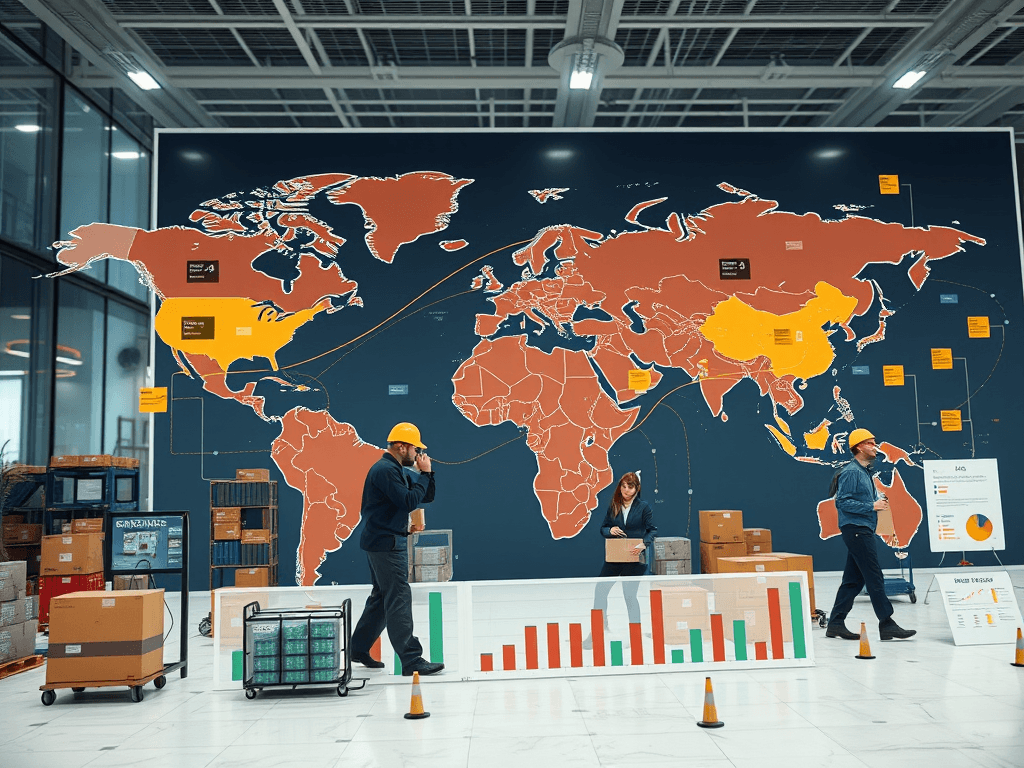
Economic nationalism is a policy approach where governments favor domestic businesses, labor, and industries over foreign competition. While it is often framed as protectionism, in 2026 it is more accurately described as strategic self-reliance.
Tariffs—taxes imposed on imported goods—are one of the most visible tools of economic nationalism. Unlike the blanket tariffs of earlier decades, today’s tariffs are more targeted. They focus on:
Critical industries such as semiconductors, energy, agriculture, and defense Countries viewed as strategic rivals or supply chain risks Products linked to national security, climate policy, or labor standards
The stated goals vary: protecting local jobs, reducing dependence on single-country supply chains, correcting trade imbalances, or responding to geopolitical tensions. The practical effect, however, is a fragmentation of global trade into regional and politically aligned blocs.
For investors and business leaders, tariffs are no longer short-term disruptions—they are structural features of the global economy.
How Tariffs 2026 guide Reshaping Economic Global Supply Chains
Supply chains in 2026 are being redesigned around resilience rather than pure cost efficiency. Companies that once relied heavily on single-country sourcing are now diversifying suppliers, relocating production, or adopting “friend-shoring” strategies—sourcing from politically aligned nations.
Key supply chain shifts include:
Regionalization of manufacturing, especially in North America, Southeast Asia, and the Gulf Higher inventory buffers to protect against tariff shocks and border delays Increased logistics complexity, as goods cross more borders with varying trade rules
Tariffs increase landed costs, but the hidden cost is uncertainty. Businesses now plan for multiple tariff scenarios, which has made trade compliance, customs classification, and documentation more strategic than operational.
This has also driven demand for cost control in adjacent areas. Many exporters and importers are actively seeking budget international shipping supplies to offset rising duties and transportation expenses. Packaging optimization, consolidated shipments, and smarter freight planning have become profit-preserving tactics rather than operational afterthoughts.
For deeper analysis on how companies are adapting their sourcing and logistics models, many executives now rely on supply chain insights by VersatilePath to stay ahead of structural trade shifts.
Impact on SMEs, Corporations, and Consumers
While large multinationals have teams dedicated to trade compliance and risk modeling, small and medium-sized enterprises (SMEs) face a steeper learning curve.
For SMEs, tariffs can:
Reduce margins overnight Disrupt supplier relationships Force sudden price increases that customers may resist
However, SMEs also have an advantage: agility. Smaller firms can pivot suppliers faster, test new markets, and adopt niche positioning that large corporations struggle to execute.
This is why adoption of logistics tools for small businesses has accelerated. Automated customs documentation, tariff calculators, and real-time shipping cost analysis are helping SMEs compete in a more regulated trade environment without building large in-house teams.
For large corporations, tariffs guide have accelerated:
Vertical integration (owning more of the supply chain) Strategic partnerships in tariff-friendly regions Increased lobbying and trade diplomacy efforts
For consumers, the impact is mixed. Some prices rise due to import duties, particularly for electronics, vehicles, and industrial goods. At the same time, domestic production incentives can stabilize local supply and, in some cases, create competitive pricing over the long term.
The broader consequence is that consumers are indirectly paying for resilience and national security through higher prices—but gaining stability in return.
Practical Business guide for Navigating Trade in 2026
In an era of persistent tariffs and economic nationalism, successful businesses are proactive rather than reactive. The most resilient companies are applying a combination of strategic, operational, and financial adaptations.
1. Diversify sourcing beyond cost considerations
Supplier selection now includes geopolitical alignment, trade agreements, and tariff exposure—not just price. Dual or triple sourcing is increasingly standard.
2. Build tariff costs into pricing models early
Instead of absorbing tariff shocks, leading firms transparently price risk into contracts and customer agreements.
3. Invest in trade intelligence and compliance
Understanding Harmonized System (HS) codes, rules of origin, and bilateral trade agreements can significantly reduce tariff exposure.
4. Optimize logistics and packaging
Reducing shipment volume, improving container utilization, and choosing the right Incoterms can partially neutralize tariff-related cost increases. This is where access to affordable solutions—such as budget international shipping supplies—directly supports profitability.
5. Leverage digital logistics platforms
Smart companies are integrating logistics tools for small businesses into their operations to automate paperwork, track regulatory changes, and forecast landed costs with greater accuracy.
6. Explore regional manufacturing and assembly
Even partial localization—final assembly or packaging in a tariff-friendly market—can change a product’s country of origin and tariff classification.
What This Means for Investors and Policy Watchers
For investors, economic nationalism introduces both risk and opportunity. Sectors aligned with domestic manufacturing, logistics technology, energy independence, and trade compliance services are benefiting from long-term policy tailwinds.
Policy followers should note that tariffs in 2026 are less about isolation and more about leverage. Governments are not abandoning trade; they are restructuring it around strategic interests.
The era of frictionless globalization may be over, but a more deliberate, politically aware global trade system is taking its place.
Actionable Takeaway
In 2026, tariffs are not temporary obstacles—they are permanent strategic variables. Businesses that treat trade policy as a core part of planning, invest in smarter logistics, and build resilient supply chains will not just survive economic nationalism—they will gain a competitive edge.




Ищете стильный изготовление браслетов с логотипом, который подчеркнёт идентичность вашего бренда и станет отличным промо?подарком.
Браслет с логотипом прочно вошёл в арсенал рекламных и брендовых сувениров.
Нужна быстрая и недорогая круглосуточная доставка алкоголя москва недорого прямо сейчас — быстро, удобно и круглосуточно.
Информационные кампании помогают уменьшать риск злоупотреблений и повышать осведомленность покупателей.
Установите надежные рольставни ворота для гаража автоматические — современное и компактное решение для защиты вашего гаража.
Консультация с профессионалом поможет подобрать оптимальную комплектацию и правильный способ установки.
Ищете стильный браслет с логотипом, который подчеркнёт идентичность вашего бренда и станет отличным промо?подарком.
Форма и толщину браслета учитывают при проектировании изделия.
Нужна быстрая и недорогая доставка алкоголя москва 24 часа прямо сейчас — быстро, удобно и круглосуточно.
Доставка алкоголя стала неотъемлемой частью современной торговли и сервиса.
Установите надежные гаражные ворота рольставни размеры цена — современное и компактное решение для защиты вашего гаража.
Варианты исполнения включают разные материалы и приводы, однако принцип работы одинаков.
Подарите клиентам и сотрудникам стильный аксессуар — мерч браслет, который подчеркнет ваш бренд.
Процесс изготовления браслетов с логотипом предполагает проектирование, подбор способа нанесения и контроль качества.
Нужна быстрая и недорогая доставка алкоголя ночная москва прямо сейчас — быстро, удобно и круглосуточно.
Ответственные компании внедряют лимиты на количество и проверяют документы при получении.
Ищете стильный изготовление браслетов на заказ, который подчеркнёт идентичность вашего бренда и станет отличным промо?подарком.
Изображение бренда на браслете делают тиснением, гравировкой или печатью.
Установите надежные рулонные ворота для гаража — современное и компактное решение для защиты вашего гаража.
Важен и герметичный прижим по периметру проема для минимизации сквозняков.
Нужный напиток доставим быстро и удобно — алкоголь 24 часа доставка москва.
Получение заказа на дом или в офис избавляет от необходимости ехать в магазин и экономит время.
Правила и ограничения в сфере доставки алкоголя играют ключевую роль для законности бизнеса и безопасности потребителей. Сервисы обязаны обучать персонал проверке возраста и соблюдению правил по обращению с алкоголем.
Технологии значительно улучшают процесс заказа и доставки алкогольных напитков. Современные платёжные решения позволяют быстро и надёжно расплачиваться за покупки.
Пользователям важно выбирать надёжные и ответственные услуги доставки алкоголя. Выбор проверенного сервиса поможет избежать проблем с качеством и законодательными рисками.
Покупателям доступен выбор вин, пива, крепких напитков и сопутствующих товаров через простой интерфейс.
Подарите клиентам и сотрудникам стильный аксессуар — браслеты на руки с логотипом, который подчеркнет ваш бренд.
Постоянный анализ способствует повышению качества и эффективности бренд-мероприятий.
Нужный напиток всегда под рукой — доставка алкоголя на дом в Москве.
Сервисы нередко используют термоизоляцию и амортизацию, чтобы напитки не потеряли качества по пути.
Нужен срочный заказ? алкоголь доставка 24 часа москва — круглосуточно и быстро прямо до двери.
Некоторые сервисы предлагают экспресс-доставку и доставку в ночное время, соблюдая законодательные ограничения.
Нужный напиток доставим быстро и удобно — круглосуточная доставка алкоголя москва.
Получение заказа на дом или в офис избавляет от необходимости ехать в магазин и экономит время.
Правила и ограничения в сфере доставки алкоголя играют ключевую роль для законности бизнеса и безопасности потребителей. Компании должны обучать доставщиков проверке документов и правилам безопасной транспортировки алкоголя.
Технологии значительно улучшают процесс заказа и доставки алкогольных напитков. Современные платёжные решения позволяют быстро и надёжно расплачиваться за покупки.
Пользователям важно выбирать надёжные и ответственные услуги доставки алкоголя. Следует изучать лицензии, отзывы покупателей и правила возврата приобретённых напитков.
Клиентам рекомендуется отдавать предпочтение надёжным и ответственным поставщикам.
Подарите клиентам и сотрудникам стильный аксессуар — изготовление браслетов на заказ, который подчеркнет ваш бренд.
Распределение через ключевых партнеров увеличивает охват и доверие.
Нужный напиток всегда под рукой — доставка алкоголя 24/7.
Поставщики инвестируют в обучение персонала и системы контроля, чтобы минимизировать риски нарушений правил продажи.
Нужен срочный заказ? доставка алкоголя 24 — круглосуточно и быстро прямо до двери.
Правовые нормы требуют проверки возраста, поэтому курьеры обязаны проверять документы при передаче заказа.
Нужный напиток доставим быстро и удобно — круглосуточная доставка алкоголя москва недорого.
Клиенты могут выбрать вино, пиво, крепкие напитки и аксессуары всего в несколько кликов.
Правила и ограничения в сфере доставки алкоголя играют ключевую роль для законности бизнеса и безопасности потребителей. Нарушение правил может повлечь штрафы и приостановку деятельности сервиса.
Технологии значительно улучшают процесс заказа и доставки алкогольных напитков. Интегрированные платёжные шлюзы гарантируют оперативную и безопасную оплату заказов.
Пользователям важно выбирать надёжные и ответственные услуги доставки алкоголя. Рекомендуется обращать внимание на лицензии, отзывы клиентов и условия возврата товара.
Компании должны обучать доставщиков проверке документов и правилам безопасной транспортировки алкоголя.
Hola a los que esten aqui, mi pareja y yo nos planteamos hacer una fuga de fin de semana a Ronda y hemos visto algunas alternativas de alojamiento en burbuja con jacuzzi que se ven interesantes, pero la verdad es que nos genera cierta incertidumbre si vale la pena desembolsar mas en comparacion con un hotel o casa rural estandar. burbuja hotel Nos gustaria escuchar experiencias reales de gente que haya pasado una noche en estas burbujas, especialmente sobre el confort, si el jacuzzi y la privacidad verdaderamente merecen la diferencia de precio. Hemos estado leyendo algunas resenas y comparativas, y aunque algunas opiniones son favorables, seguimos sin tener del todo claro si sera una inversion que nos aporte algo especial para el fin de semana. Si alguien tiene experiencias o referencias sobre la calidad-precio y como es la experiencia, estariamos muy agradecidos por los detalles. Aqui dejamos un enlace con algunas resenas encontradas que hemos recopilado. ?Gracias de antemano por cualquier consejo honesto!